A shortage in Tamiflu
The high volume of Tamiflu prescriptions at this point in the season has resulted in a shortage of the medication. While the FDA has not yet confirmed this shortage, doctors and pharmacists in both urban and rural areas are reporting difficulty in accessing Tamiflu for their patients.
Those unable to access Tamiflu this year do have other options. Besides Tamiflu, there are two other influenza medications: Relenza and Rapivab. Both are considered just as effective as Tamiflu and may be easier to access this year. For more information on these medications, see our post here.
Over the counter medications can also help ease symptoms. Read here for more details on over the counter flu medications.
Is it effective?
Tamiflu is sometimes treated as a cure for all cases of the flu, but recent studies call this reputation into question. According to a study-of-studies, or meta-analysis, performed by CochraneResearch of 46 studies involving more than 24,000 people, Tamiflu may provide a much smaller benefit than expected. At best, the analysis found that Tamiflu may only help patients recover one day faster, and may not reduce the number of flu-related complications, like pneumonia. Additionally, it may only reduce the risk of getting sick by 55%. At over $50 per prescription for generic oseltamivir, for some, the benefits may not outweigh the cost.
While these findings don’t negate the use of Tamiflu, they may indicate that it is less protective than we had previously thought.
Translate to your own language
Become a member of ADDY as me with my link and get $25 to kickstart your own investing journey 🏠
Showing posts with label symptoms. Show all posts
February 01, 2018
January 27, 2016
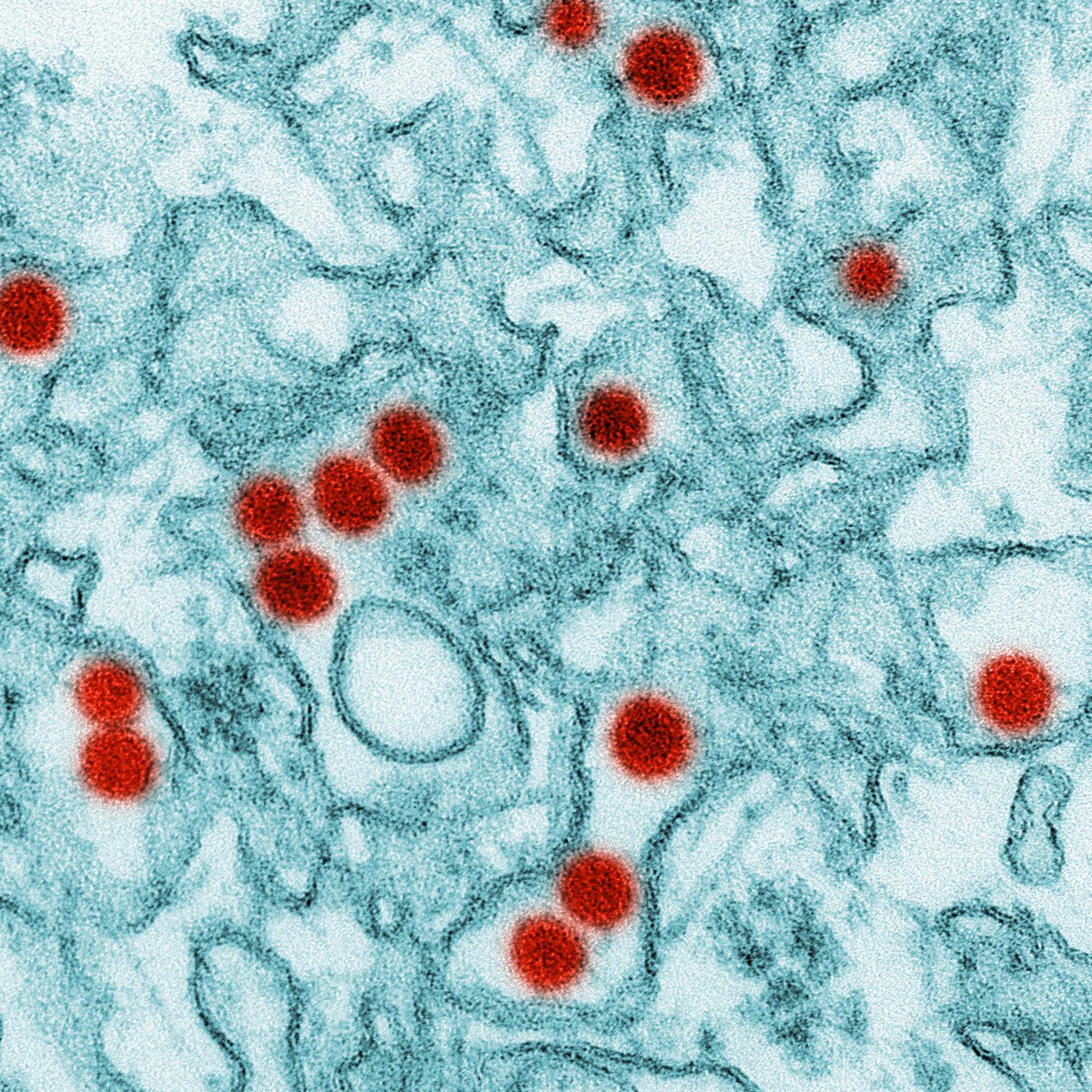
About 1 in 5 people infected with Zika virus become ill
What is Zika Virus disease (Zika)?
![]() |
| A transmission electron micrograph (TEM) of Zika virus |
Symptoms
- About 1 in 5 people infected with Zika virus become ill (i.e., develop Zika).
- The most common symptoms of Zika are fever, rash, joint pain, or conjunctivitis (red eyes). Other common symptoms include muscle pain and headache. The incubation period (the time from exposure to symptoms) for Zika virus disease is not known, but is likely to be a few days to a week.
- The illness is usually mild with symptoms lasting for several days to a week.
- Zika virus usually remains in the blood of an infected person for a few days but it can be found longer in some people.
- Severe disease requiring hospitalization is uncommon.
- Deaths are rare.
Diagnosis
- The symptoms of Zika are similar to those of dengue and chikungunya, diseases spread through the same mosquitoes that transmit Zika.
- See your healthcare provider if you develop the symptoms described above and have visited an area where Zika is found.
- If you have recently traveled, tell your healthcare provider when and where you traveled.
- Your healthcare provider may order blood tests to look for Zika or other similar viruses like dengue or chikungunya.
Treatment
- No vaccine or medications are available to prevent or treat Zika infections.
- Treat the symptoms:
- Get plenty of rest
- Drink fluids to prevent dehydration
- Take medicines, such as acetaminophen or paracetamol, to relieve fever and pain
- Do not take aspirin and other non-steroidal anti-inflammatory drugs (NSAIDs), like ibuprofen and naproxen. Aspirin and NSAIDs should be avoided until dengue can be ruled out to reduce the risk of hemorrhage (bleeding). If you are taking medicine for another medical condition, talk to your healthcare provider before taking additional medication.
- If you have Zika, avoid mosquito bites for the first week of your illness.
- During the first week of infection, Zika virus can be found in the blood and passed from an infected person to another mosquito through mosquito bites.
- An infected mosquito can then spread the virus to other people.
July 17, 2014
Are You Allergic to the Sun?
![]() |
| Image courtesy of FreeDigitalPhotos.net |
Although die-hard sun worshipers continue to oil up to better catch the sun's tanning rays, most Americans choose to slather on sunscreen instead. Sunscreen can help protect them from most of the harmful effects of ultraviolet light, but it will do little for certain sun-sensitive individuals. These would-be sun seekers wind up with an itchy, bumpy rash that is sometimes called "sun poisoning" even if they're wearing SPF 50.
"Sun poisoning" is really an allergic reaction to the sun that occurs when skin is exposed to sunlight for the first time in the early spring, or during a winter vacation. While people with light skin are most susceptible to sunburn, sun allergy affects people of all skin colors.
If people with sun allergy venture to the beach at all, you can probably find them in a floppy hat, under an umbrella. Or, at least, that's where they should be. Below, Henry W. Lim, MD, chair of the department of dermatology at Henry Ford Hospital in Detroit, Michigan, talks about how to prevent and treat allergic reactions to the sun, as well as rashes triggered by sunscreen ingredients.
Can someone have a sun allergy?
There are certain skin reactions to the sun that have nothing to do with sunscreen or other external factors, which we call an intrinsic type of photodermatosis. People with photodermatosis develop skin rashes following exposure to the sun. Polymorphous light eruption is the most common type of photodermatosis. It is most likely due to an abnormal immune system reaction to the sun. Polymorphous light eruption occurs in approximately 10 to 20 percent of otherwise healthy individuals, so it is a relatively common condition.
Then there is another group of people who develop what they think is a sun allergy because of medications that they have ingested or agents that they have applied, including sunscreen. These people develop an irritant reaction, which is a rash or a tingling, itchy sensation on the skin. The chances of getting a true allergic reaction to sunscreen are actually very low.
What are the symptoms?
People usually develop reactions within a few hours of sun exposure. The typical scenario would be that they get exposed to the sun during the day, and then at the end of the day they start noticing the development of red bumps or blisters in the exposed area. It tends to be somewhat itchy. The polymorphous light eruption produces a rash that looks more like hives or insect bites. Sometimes people have no symptoms. If the reaction is untreated, it usually lasts for a few days, or up to two weeks. Then it would go away by itself.
Does it get worse or better with repeated exposure?
It tends to occur most commonly in the springtime in a temperate climate when people first start getting sun exposure. Typically as the season progresses, the person becomes less sensitive to developing this reaction; the thought is that the skin adjusts to this effect of the sun. But any kind of sudden and relatively intense exposure to the sun would bring this up. A typical scenario in the winter is when patients from Northern climates go to the Caribbean or Hawaii, for example, for their winter vacation.
Can someone develop sun allergy at any time in their life?
It can occur at any time in someone's life, but typically it occurs in people in their 20s and their 30s. And it can occur in people of all skin types. So not only Caucasians, but also Asians, Latinos and black people can develop photosensitivity. Is sun allergy ever a sign of an underlying condition?
There have been some reports of an association with lupus and with thyroid problems, but those are exceptions rather than the rule. We do evaluate patients for those conditions on a routine basis. We ask them questions and take some blood tests, if necessary. But the vast majority of patients are perfectly healthy otherwise. What kind of ultraviolet light causes the reaction?
It's usually UVB light, but it could be UVA also. So it varies from person to person and one would have to test for it. The testing is usually conducted in a clinic setting. We can use light sources that emit predominantly UVB or light sources that emit predominantly UVA to see which one would induce the lesion.
That would help to guide the treatment somewhat. Realistically, however, the testing is not that widely available because only specialized photodermatology centers would be able to perform it, and it is not 100 percent positive in all patients.
What medications might increase risk of sun allergy?
There's a whole long list of oral medications that can make skin more sensitive to sunlight. This includes some forms of antibiotics such as tetracyclines. Certain diuretics, or water pills, also frequently make the skin more sun-sensitive. My suggestion usually is that if people have sun allergies, they ask their primary care physician about their medications' side effects.
How are allergic reactions to the sun treated?
Beyond staying in the shade, wearing protective clothing and using sunscreen, we recommend topical corticosteroids to treat the rash. Some are over-the-counter, such as hydrocortisone, but that's not very potent. The more severe reactions require a prescription cortisone cream or ointment. For very severe reactions, we have to use oral cortisone to bring down the inflammation.
If we know that someone has polymorphous light eruption every summer, we may give them ultraviolet light treatment as a way to desensitize the skin in the spring. It's almost like you're going to an allergist for allergy shots. By exposing your skin to ultraviolet light, your system gets used to it. Usually we do about 15 treatments.
The second approach to treat a rash is to use a medication called Plaquenil (hydroxychloroquine), which is an antimalarial agent that has been used for various skin conditions; it works quite well for polymorphous light eruption.
See the whole article here: http://www.womens-health.com/boards/allergies/277-you-allergic-sun.html
March 26, 2013
Cold Sore Symptoms and Help
| Cold Sore on lower lip - Rolling Pebbles Files© |
Cold sores aren’t a problem for everyone but for those who suffer, outbreaks can be painful, uncomfortable, and embarrassing. In fact, up to 90 per cent of adults carry herpes simplex virus type 1 (HSV-1), but only 20 to 40 per cent will ever experience a cold sore outbreak. When most people hear herpes they think of the sexually transmitted infection that causes sores in the nether regions (genital herpes) and they’d be right. Most cases of genital herpes are caused by herpes simplex virus type 2 (HSV2) while most cold sores are cause by HSV1 but both viruses can (although much less common) cause sores in the opposite region if the active virus comes in contact with that region (you possibly can imagine how). Most cold sore sufferers aren’t exactly sure when they first encountered the virus, but once contracted the virus never leaves the body.
Not everyone’s cold sore is triggered by the same thing. But there are several common factors that may cause your outbreaks. Knowing general cold sore triggers can help you identify personal triggers and take the necessary steps to manage them.
First, boost your immune system by getting plenty of rest and exercise and eating a balanced diet. Avoiding the stress in your life is also important. Keep your lips moisturized – drink plenty of water to stay hydrated and use sunblock on your lips all year round to protect your lips from sun and from winter cold.
Treat your cold sore early for best results. The best time to start treatment is when that tingling sensation first happens, before any visible sign of a cold sore appears. When it comes to treating a cold sore, you’ll hear advice on everything from home remedies to lip balm cures.
Learn the cold sore facts so you can face every cold sore with confidence. Ice, vinegar, tea bags, camphor, menthol or phenol may provide temporary relief, but they won’t make your cold sore disappear faster. Look for products that contain the medicinal ingredient, docosanol, which is clinically proven to shorten the duration of a cold sore.It is marketed by Healthcare Brands under the name Erazaban in Europe and Abreva in U.S.A. and Canada.
Remember to avoid transmitting the virus to others through skin contact (kissing is the first thing coming to mind). Cold sores are most contagious when someone has an open blister present on their lips until the point where the blister has completely healed. At the same time, note that certain people can spread the virus through their saliva even if there is no open blister present.Also, wash your hands frequently if you’ve touched your lips or brushed your teeth to avoid spread of the virus.
January 13, 2013
Is it the flu or norovirus ? How to tell the difference
By Deborah Kotz, Globe Staff
While it seems nearly everyone in Boston is sick or recovering from
some kind of ailment, many are wondering what they’ve come down with and
how to best manage their symptoms. Do they have the flu or the stomach
flu? Is it possible to have both at once?Dr. Joshua Kosowsky, vice chair and clinical director of Brigham and Women’s Hospital’s emergency department, told me he’s seeing a lot of patients with influenza -- aka the flu -- and some with an intestinal bug that’s circulating called norovirus -- aka the “cruise ship” virus.
How do you tell the difference between the two?
At first blush, it seems fairly simple. The flu is an upper respiratory infection that causes sore throat, chills, body aches, runny nose, and coughing. Norovirus is a gastrointestinal illness that causes diarrhea, vomiting, and nausea. Both can lead to severe dehydration if you don’t drink enough fluids.
“Both infectious diseases are very common and very contagious,” said Kosowsky. “It’s not inconceivable to get both this season.”
Usually the body doesn’t come down with two infections at once, but it can get infected with one bug right after the other if the immune system is weakened.
Many people, though, who have been infected with this season’s Type A flu strain that’s predominant in the Boston area have developed gastrointesintal symptoms -- vomiting, stomach cramps, mild diarrhea -- on top of their cough and runny nose.
“There is some overlap between flu and norovirus symptoms this year,” said Kosowsky, and it’s probably due to the nasty H3N2 strain that’s circulating and causing more severe flu symptoms than normal.
But, he emphasized, the vomiting and diarrhea associated with norovirus tends to be more explosive and intense.
Both conditions should be managed by getting plenty of rest, taking over-the-counter pain relievers to reduce fever and aches, and avoiding close contact with others for the first few days. Drink plenty of fluids, and if you aren’t able to eat much solid food, make sure those fluids contain some salt and sugar -- juice, soup, sports drinks, for example -- to keep your electrolytes in balance. Materials from Boston.com.
See also Natural Flu remedies in this blog.
December 12, 2012
Study debunks moon-mental health link
The researchers found that while diminishing daylight can send people into a funk, moonlight is a non-factor.
Their article, published in a recent edition of General Hospital Psychiatry, summarizes an analysis of 771 patients who suffered from anxiety, panic attacks, mood disorders or suicidal thoughts.
The patients had visited hospitals in Montreal or Quebec City during various seven-day lunar phases between March 2005 and April 2008.
Except for a lower rate of hospital admission during the last quarter of the lunar month moon for individuals struggling with an anxiety disorder, no significant correlation was observed between other mental health problems and any lunar phase," say researchers, led by a team at the University of Montreal.
Researchers dismiss any connection between anxiety and the moon. If our satellite were having any such effect, the symptoms would be obvious at all times since the moon is always orbiting the earth, they note.
The study corroborated earlier research into the winter blues - that sinking feeling observed among some people who live far from the equator where days are much shorter in the winter.
Researchers noted that hospital visits by people with mental disorders were 37% higher in the spring and 37% less frequent in the fall.
The whole story here: http://www.torontosun.com/2012/12/11/study-debunks-moon-mental-health-link
Subscribe to:
Posts (Atom)